
Top Waterproofing Products for Effective Moisture Control
Explore the leading waterproofing solutions designed to protect structures from water damage and ensure durability.
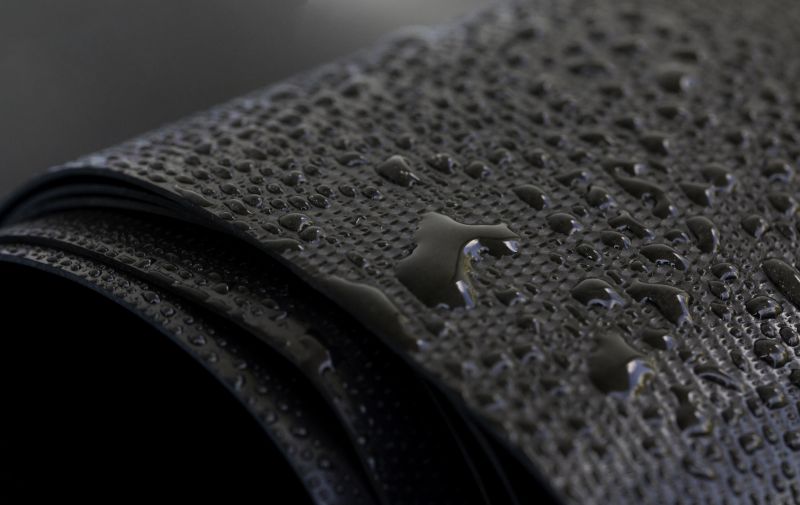 In Columbia, MD, ensuring proper waterproofing is essential for maintaining the integrity and longevity of structures, whether residential, commercial, or industrial. Waterproofing products help prevent water intrusion that can lead to damage, mold growth, and structural deterioration. From basements to roofs, choosing the right waterproofing solutions can be a key step in protecting property investments. With a variety of options available, understanding the different types of products and their applications can assist homeowners and professionals in making informed decisions. Proper waterproofing not only enhances durability but also contributes to healthier indoor environments by reducing moisture-related issues.
Top Overall Option
Comprehensive Waterproofing System
A versatile and durable waterproofing system that combines multiple layers of protection, including primers, membranes, and sealants, designed to suit a wide range of surfaces and conditions. This all-in-one approach offers flexibility for various applications, from foundations to roofs, providing a cohesive barrier against water intrusion. Its ease of application makes it suitable for both DIY projects and professional installations, ensuring a consistent and reliable seal. While not guaranteeing absolute protection, this type of system can be a practical choice for those seeking a comprehensive solution tailored to diverse waterproofing needs.
Types of Products For Waterproofings
Liquid Waterproofing Membranes
Flexible liquid coatings that form seamless waterproof barriers when applied to surfaces such as roofs, decks, or foundations, suitable for irregular shapes and surfaces.
Bituminous Coatings
Tar-based or asphalt-based coatings that provide a durable, water-resistant layer ideal for roofing and underground applications.
Polyurethane Sealants
High-performance sealants used to fill joints and cracks, offering excellent adhesion and water resistance for various building components.
Rubberized Waterproofing Paints
Coatings that create a waterproof layer on walls, basements, and other surfaces, often used for interior and exterior applications.
Waterproofing Membranes
Sheet or rolled materials like rubber or thermoplastic membranes that are applied to surfaces for long-lasting waterproofing protection.
Cementitious Waterproof Coatings
Ready-mixed cement-based coatings that are easy to apply on basement walls, tunnels, and water tanks, providing a durable barrier.
Crystalline Waterproofing
Chemical treatments that penetrate concrete to form insoluble crystals, blocking water pathways from within the material.
Spray-On Waterproofing
Aerosol or liquid spray products designed for quick and easy application on roofs, decks, or other surfaces needing waterproofing.
Waterproofing Tapes
Self-adhesive tapes used to seal joints, cracks, or seams in roofing, plumbing, or foundation work.
Hydrophobic Sealants
Sealants that repel water and prevent moisture penetration, often used on concrete, brick, or stone surfaces.
Foundation Waterproofing Paints
Specialized paints formulated for applying on foundation walls to prevent water ingress and dampness.
Drainage Boards
Protective panels that facilitate water drainage away from foundations or walls, often used in conjunction with other waterproofing systems.
Waterproofing Additives
Chemical additives mixed into concrete or mortar to enhance their water-resistant properties.
Roof Coatings
Specialized coatings designed to reflect sunlight and provide waterproof protection for flat or sloped roofs.
Vapor Barriers
Materials installed to prevent moisture vapor from passing through walls or floors, reducing condensation issues.
Popular Choices
Flexible coatings that create seamless waterproof barriers, suitable for various surfaces and shapes.
Durable asphalt-based coatings ideal for roofing and underground waterproofing applications.
Versatile sealants used for filling joints and cracks, providing strong water resistance.
Coatings that form a waterproof layer on walls and floors, suitable for both interior and exterior use.
Sheet membranes like rubber or thermoplastics used for foundational and roofing waterproofing.
Easy-to-apply cement-based coatings for basements and water tanks, offering reliable waterproofing.
Chemical treatments that penetrate concrete to block water passage from within.
Quick application products suitable for roofs and decks requiring waterproofing coverage.
Self-adhesive tapes ideal for sealing seams and cracks in various waterproofing projects.
Sealants that repel water and prevent moisture penetration on various surfaces.
Specialized paints designed to protect foundation walls from water ingress.
Protective panels that facilitate water drainage away from foundations and walls.
Additives mixed into concrete to improve water resistance and durability.
Reflective coatings that provide waterproofing and energy efficiency for roofs.
Materials installed to prevent moisture vapor from passing through walls or floors.
The selection process involves considering the specific needs of the project, such as the type of surface, exposure to water, and environmental conditions. Some products are designed for interior use, like sealants and coatings, while others are suited for exterior applications, including membranes and waterproof paints. Additionally, factors like ease of application, drying time, and compatibility with existing materials are important. Consulting with local suppliers or waterproofing specialists in Columbia, MD, can provide valuable insights tailored to regional climate and building codes.
Ultimately, investing in quality waterproofing materials can help safeguard properties against water damage, which is especially pertinent in areas prone to heavy rainfall or humidity. Proper installation and regular maintenance further extend the lifespan of waterproofing solutions, ensuring ongoing protection. Whether you are sealing a basement, waterproofing a roof, or protecting foundation walls, selecting appropriate products tailored to your specific needs is a vital step towards long-term structural health.
Key Buying Considerations
- Identify the specific area or surface that requires waterproofing, such as roofs, basements, or foundations.
- Determine whether the application is interior or exterior, as different products are designed for each use.
- Assess the environmental conditions, including exposure to rain, humidity, or temperature fluctuations.
- Consider the ease of application, especially if DIY installation is planned, and check for necessary tools or equipment.
- Review the drying and curing times to coordinate project timelines effectively.
- Evaluate the compatibility of the waterproofing product with existing surfaces and materials.
- Check the longevity and durability of the product, especially for long-term protection in harsh conditions.
- Look into the flexibility of the coating or membrane to accommodate surface movement or expansion.
- Consider the product’s resistance to UV rays, chemicals, or abrasion if applicable to the environment.
- Review safety and VOC (volatile organic compounds) levels, especially for indoor applications.
- Determine if the product requires additional primers or sealants for optimal adhesion.
- Assess the cost-effectiveness by comparing coverage area and material longevity.
- Verify if the product meets local building codes and standards relevant to Columbia, MD.
- Consider the maintenance requirements and whether periodic reapplication is necessary.
- Seek advice from local suppliers or waterproofing specialists to ensure regional suitability.